

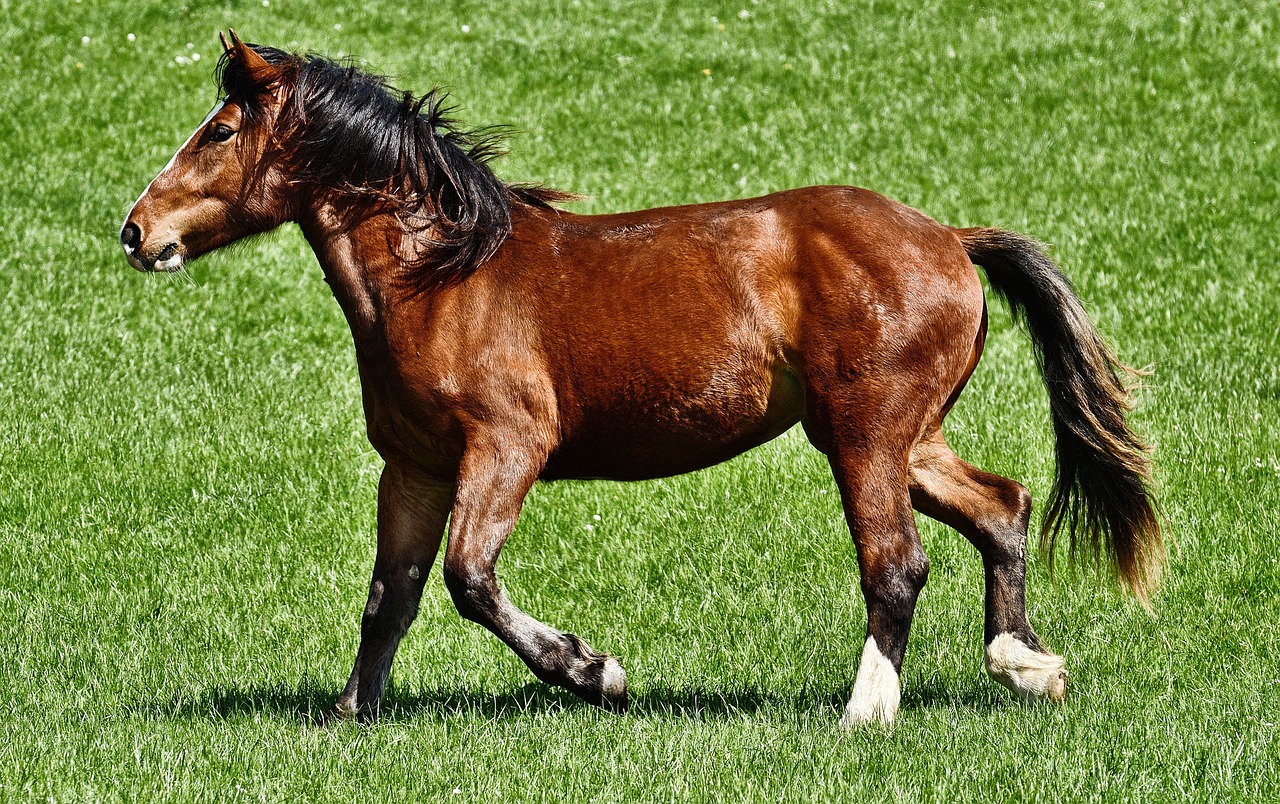
09 Aug What should we consider before buying a horse?
Photo: pixabay.comQ. I know this is not your normal question, but I don’t know who to ask. Our daughter competes in horse competitions, and it costs a fortune. She is asking us to buy a horse – obviously a different kind of fortune. But if we buy, we can potentially make some income also. I have no idea where to start, and I like the place where she has been riding but I have no idea if I should trust them for advice because they could make money off our horse – even though they already make money off of us. I don’t know what is normal to consider – is there like a standard?
— Mom
A. You’re right that this isn’t a typical question.
But we had the perfect expert to ask. Someone with extensive experience in the horse arena.
You are correct that it is an expensive activity, said Claudia Mott, an avid horsewoman and a certified financial planner with Epona Financial Solutions in Basking Ridge.
Buying a horse may seem like the logical next step given your daughter’s enthusiasm for the sport, Mott said, but the costs associated with ownership are significantly more than the class, trainer and trailering fees you have likely paid for her showing.
“Rarely does anyone purchase a horse with the idea of generating income unless the plan is to lease it,” she said. “A lease situation would mean that your daughter does not have full use of the horse, but is sharing it with another rider for some number of days each week.”
For many young riders who are aching to have a horse of their own, a lease is often a great way to get started without the commitment of ownership, Mott explained.
“Under a lease arrangement your daughter will have either full or partial access to the horse, you will help pay for many of the expenses and she will learn about the responsibilities of caring for her new parter,” Mott said.
The specifics should all be spelled out in a formal lease agreement and samples can be found online.
There are advantages of a lease over a purchase as well, Mott said
“If she loses interest in riding or goes off to college, you aren’t in a position of trying to find a new owner for the horse,” she said. “Perhaps she needs a large pony based on her age, but would need a bigger horse as she matures, a lease would provide the opportunity to make the transition more easily than having to sell and buy two animals.”
Most importantly, if the horse becomes lame or unusable, it can be returned to the owner, Mott said.
“As any horse owner knows, dealing with an unrideable horse can be a long journey of veterinarian bills, rehab and potentially retirement—all of which you are paying for.”
The trainers at the stable where she is riding would be the best place to start when it comes to looking for a partner, Mott said. Have a conversation with them about your daughter’s goals and how to accomplish them and ask specifically about the costs associated with their involvement.
“Their connections can be invaluable in finding horses for your daughter to try as they know her capabilities and should take an interest in finding a safe and appropriate partner for her,” Mott said. “Locating the right horse may take some trial and error as no two animals are alike and your daughter needs to find one that suits her skill level and competition goals.”
And prior to making any commitment, be sure to have a veterinarian perform a full examination of the horse to be sure there are no pre-existing issues and include drug testing, she said.
If you decide that ownership is the option that is preferred, the trainers will still be your best source of potential partners, Mott said.
“While there are many horses posted on social media sites, those candidates need to be evaluated with extreme care, especially depending on who the seller is,” she said.
Mott said at a full-care stable, you can expect to pay in excess of $1,000 a month in board. This would include a stall, bedding, grain and hay. It should also include some amount of daily turnout so that your horse can stretch its legs every day. The stable staff will feed, clean stalls and handle turnout.
In addition to board, you will be responsible for any supplements and medications that may be required to keep the horse healthy, she said.
“The horse will require visits from the vet at least twice a year for shots, dental work once a year, and farrier visits for hoof trims or shoes every 5 to 6 weeks,” she said. “Other expenses will include a saddle, bridle, halter, blankets, boots, bandages, brushes and no end of replacements for things that inevitably get broken.”
When considering a horse to purchase, you may want to ask for a trial period to be sure it is a good fit for your daughter, Mott said. As with the lease, you want a full pre-purchase veterinarian exam performed along with drug testing. You should also obtain copies of veterinarian records.
Good luck with the search and hope she continues to have fun in her equestrian pursuits, she said.
Email your questions to .
This story was originally published in August 2026.
NJMoneyHelp.com presents certain general financial planning principles and advice, but should never be viewed as a substitute for obtaining advice from a personal professional advisor who understands your unique individual circumstances.