

30 Jan Should I worry about ID theft when I recycle?
Photo: pixabay.comQ. Many years ago I read an article regarding removing names and addresses from garbage and now recycling. This was even before identity theft was a thing. So now I remove my name and address from all junk mail and boxes going into recycling, while my friends just toss it in the recycling pile. Any thoughts on the necessity of doing this?
— Safety first?
A. Great question.
Any time your information is obtained by a crook, identity theft can follow.
But is someone going to go through your recycling to try to piece together enough information to cause trouble? It could happen, but it’s not something that keeps us up at night.
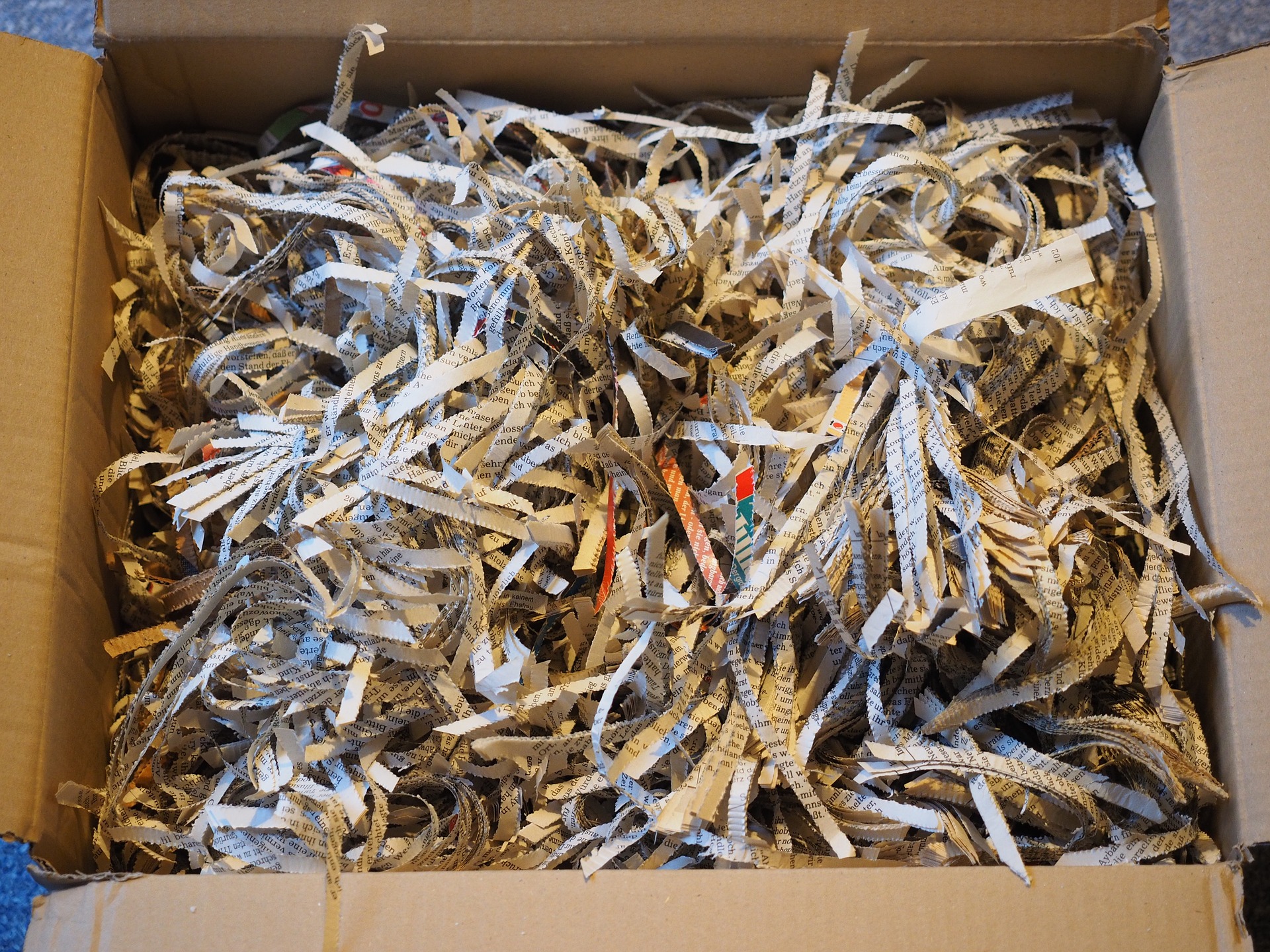
If you have a concern, consider using a shredder and then putting the papers in a cardboard box or otherwise recyclable container.
Or cut down on the amount of paper you get by opting out of certain offers.
The Federal Trade Commission said you can control what mail you get from marketers by registering at the Association of National Advertisers’ (ANA) website. You can choose what catalogs, magazine offers, and other mail you want to get.
You’ll have to pay a $6 processing fee, and your registration will last for 10 years, the FTC said.
If you don’t want to do it online, you can send a letter with a signature, and a $7 check for the processing fee payable to the Association of National Advertisers or ANA) to:
DMAchoice
Consumer Preferences
P.O. Box 900
Cos Cob, CT 06807
On the website, you can also stop mail from being addressed to someone who’s deceased or to a dependent in your care.
“When you register someone, the person’s name, address, and email will stay on the ANA’s mail and email opt-out lists permanently,” the FTC said.
It also offers an email preference choice so you can get less unsolicited commercial email.
The FTC said if you don’t want to get prescreened offers of credit and insurance in the mail, you can opt out of getting them for five years or permanently.
Go to optoutprescreen.com or call (888) 5-OPT-OUT The phone number and website are operated by the major credit bureaus, The FTC said.
“When you call or visit optoutprescreen.com, they’ll ask for your personal information, including your name, address, Social Security number, and date of birth,” the FTC said. “Sharing your Social Security number and date of birth is optional, but the website says that giving this information can help them ensure that they can successfully process your request. It says the information you give is confidential and will be used only to process your request to opt out.”
Email your questions to .
This story was originally published in January 2026.
NJMoneyHelp.com presents certain general financial planning principles and advice, but should never be viewed as a substitute for obtaining advice from a personal professional advisor who understands your unique individual circumstances.